The Muddy-Paw Test: Garden Furniture That Takes a Dog in Its Stride
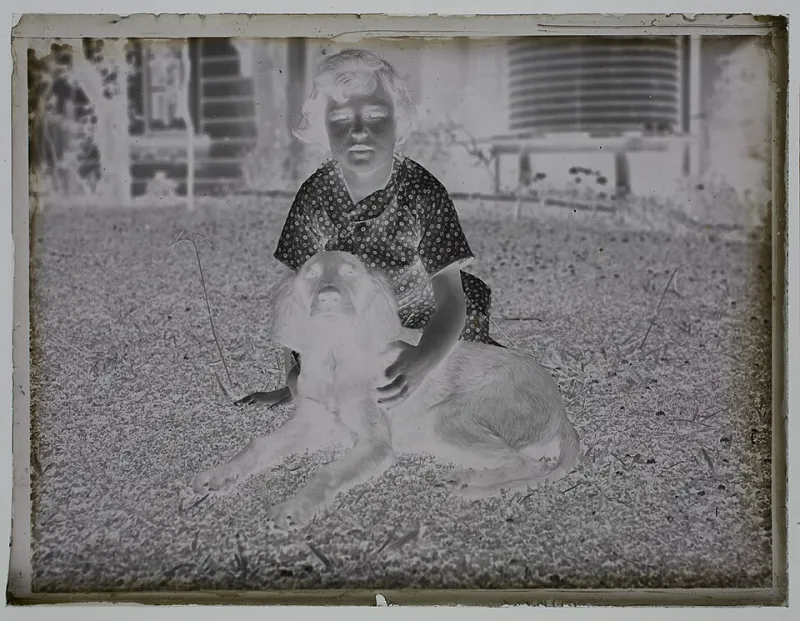
Photo: Collins, Tudor Washington, 1898-1970, photographer, CC BY 4.0, via Wikimedia Commons
A dog alters the way you use a garden. The patio is no longer just somewhere for a quiet cup of tea; it is the staging post after a muddy walk, the place where wet towels land, and the bit of paving where a tail sends a mug wobbling. That does not mean you need to furnish the garden like a kennel yard. It does mean the buying brief should include paws, claws and damp fur from the start.
Start with the frame, not the cushion
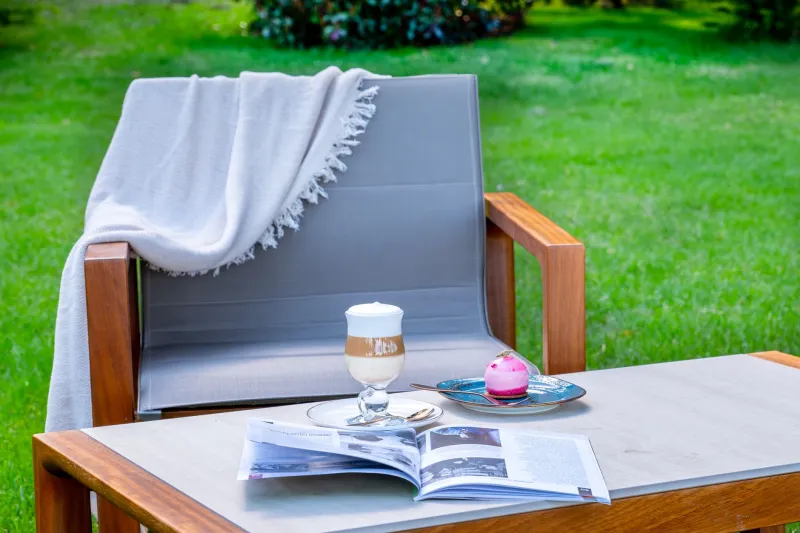
It is tempting to choose the set that looks best in the garden centre, then worry about wear later. Dog owners should reverse that. The frame takes the daily battering: leaning, jumping up, scrabbling paws and the occasional collision with a ball. Smooth, powder-coated aluminium is a sensible starting point. It does not rust, it is light enough to move for cleaning, and good versions have rounded edges and recessed bolts rather than snagging protrusions. Teak and acacia are also worth considering. Both are hard-wearing, but check the finish on arms and lower legs, where claws tend to catch. A close-grained hardwood with a smooth sanded surface is kinder than a rough, open grain.
Synthetic resin wicker can work, but only if the weave is tight and the frame underneath is solid. Loose open weave is a magnet for mud and a trap for claws. Natural rattan is best avoided on a busy dog patio for the same reason. Thin tubular metal, decorative mesh and anything with sharp welded joints are asking for trouble. If your dog likes to launch themselves onto a seat, look for a frame with a bit of weight and feet that grip rather than skate across damp paving.
Fabrics that forgive a wet nose
The cushion is where most dog-related regret begins. The practical answer is removable, zipped covers that can go in the washing machine, over quick-drying foam. Solution-dyed acrylic is the gold standard for outdoor cushions: the colour runs through the fibre, so it resists fading and cleaning better than a surface-coated fabric. Olefin and polyester are more budget-friendly and can be perfectly serviceable, provided the covers are washable and the inner foam drains well. Avoid velvet, chenille, loose bouclé, tassels, piping and decorative buttons. All of them hold onto hair, mud or moisture.
Colour matters more than many buyers expect. Pale cream shows every muddy paw print; very dark navy shows every blond hair. A heathered mid-grey, olive or sand tone is more forgiving, and a subtle weave or small pattern hides everyday marks better than a flat block colour. If you want light cushions, consider keeping them for human use and adding a washable throw where the dog usually settles. That is not a pet utility compromise; it is simply layering with common sense.
The snag factor nobody mentions
Claws catch on texture. Open wicker, crochet, macramé, rope detailing, looped fabrics and tufted upholstery are all high-risk. Run your hand over a chair arm before you buy: if your skin catches, a claw will too. Tight flat weaves, smooth metal, slatted wood and neat upholstery are safer. Also check the underside of tables and the inside of chair arms, where rough patches are often hidden. Covered zips are better than exposed metal teeth, and Velcro is best avoided because it collects hair and fluff.
Wooden slats with small gaps can be useful because mud and water drop through rather than sitting on the seat. Glass tabletops are easy to wipe but show paw prints instantly; tempered glass is the safer choice if you go that route. Round or oval tables reduce the number of sharp corners a wagging tail has to negotiate.
Covers: useful, not a plastic bag
A cover is only helpful if it breathes. A cheap tarpaulin or non-breathable plastic sheet can trap condensation underneath and leave cushions damper than they would have been without it. Look for a fitted cover with vents, an elastic hem and tie-down points. Use it when the furniture is dry, and take cushions indoors during wet spells rather than relying on a cover to fix a soaking. A lidded storage bench near the patio is one of the best dog-owner purchases you can make: it gives wet towels, throws and cushions somewhere to go without cluttering the garden.
Keep the patio looking like a garden, not a utility area
Dog-friendly does not have to mean visually chaotic. Choose one washable outdoor rug or mat where muddy paws land, rather than scattering towels everywhere. Keep a single woven basket for dog towels and a designated throw for the usual seat. A lidded box or bench hides the practical stuff. Rinse frames and wipe cushions before dirt becomes ingrained, and wash covers according to the label rather than reaching for a jet washer. In British weather, the biggest favour you can do for any furniture is to let it dry properly before covering it again.
The short buying list
Prioritise a smooth, sturdy frame in aluminium, teak or acacia. Then quick-dry cushions with removable washable covers in a forgiving mid-tone. Add a breathable fitted cover, a lidded storage bench and one washable mat or throw for the dog's favourite spot. Avoid open weave, loose fabrics and sharp edges. Do that, and the patio can still look considered and comfortable, even with four muddy paws making themselves at home.