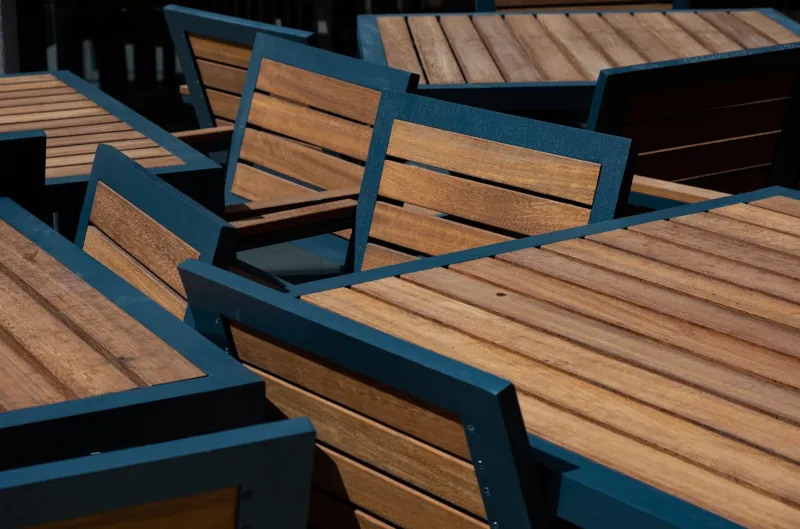
Easier Chairs, Happier Visits: Choosing Garden Seating That Doesn't Trap Your Knees

There is a particular moment that many British families will recognise. The Sunday roast is finished, the kettle is on, and someone suggests taking the tea outside. Grandad heads for the patio, lowers himself towards a fashionable low sofa, and then pauses. His knees are somewhere near his ears, his hands are searching for something solid to push against, and the conversation stops while everyone waits to see whether he will make it back up.
Garden furniture is supposed to make outdoor living easier, not turn it into an obstacle course. Yet the current love of deep, low lounge seating has made a lot of patios less friendly to anyone with stiff hips, replacement knees, a bad back or simply a few more birthdays behind them than they would like to admit.
The good news is that comfortable, supportive garden seating does exist. You just have to test it properly before it lands on your patio. Here is what to look for.
Start with the sit-to-stand, not the style
A garden chair should let you rise without a countdown. If you need to rock backwards and forwards three times before you get enough momentum, the seat is too low or too soft.
As a rough guide, look for a seat height of around 44cm to 48cm before the cushion is added. Bear in mind that a thick cushion will compress, so a chair that feels just right in the showroom may sit lower once it has been used for an afternoon. Standard dining-height garden chairs with arms are often a safer bet for older visitors than deep lounge sofas, even if they are less fashionable.
This is not about banning comfortable seating. It is about matching the chair to the people who will actually use it. If your patio is mainly used for long summer lunches with grandparents and neighbours, prioritise an upright seat over a slouchy one.
Armrests are not decorative
A good armrest is a lever. It gives you somewhere to plant your palms and push, which takes strain off the knees and hips. Decorative arms that are too narrow, too low or too far back are little more than a design detail.
Sit down and try to stand using only the armrests. If your hands slip off, or you have to lean forward awkwardly to reach them, keep looking. The arm should feel solid, with enough flat surface for the heel of your hand. As a rough guide, the top of the armrest should sit around 18cm to 22cm above the seat cushion, though body shape and cushion depth will affect this.
Give the arm a firm downward push too. If it flexes or creaks, it will not give much confidence on a cold morning when joints are stiff.
Cushions: firm enough to help, soft enough to sit on
A garden cushion that is too soft feels luxurious for five minutes and then traps you in a dip. For older relatives, a firmer foam that keeps its shape is usually more supportive. Look for removable, washable covers and a cushion that does not slide about when you sit down.
Try this in the shop or garden centre: sit for a full five minutes, not five seconds. Then stand up. If you have sunk so far that the armrests are now above your shoulders, the cushion is doing you no favours.
Remember that winter storage matters too. A firm cushion that lives in a damp shed from November to March may not stay firm for long. Check that it can be brought indoors or stored in a dry, ventilated box.
The wobble check
A chair cannot help you stand up if it is busy wobbling in another direction. Give every piece a gentle rock and twist before you buy. On timber sets, check the joints. On metal frames, look for thin legs and flimsy welding. On rattan-style furniture, make sure the frame underneath is substantial rather than a token skeleton.
If your patio is uneven, as many British patios are after a few winters, stability matters even more. Adjustable feet can help, but they are not a cure for a badly made frame. A heavier chair is not automatically better, but a chair that shifts when you push down on one arm is a warning sign.
Watch the seat depth and back angle
Deep seats look inviting, but they can leave shorter sitters perched forward with no back support. When you sit, your back should meet the backrest without a gap, and your feet should rest flat on the ground.
A slightly upright back is more practical for eating, drinking and getting up than a reclined lounge angle. If you want a lounger for yourself, fine, but do not make it the only seating on the patio. A mix of upright chairs and one or two deeper seats usually works better for mixed-age gatherings.
The patio-centre test
Whenever possible, try before you buy. Wear the kind of shoes you would actually wear in the garden, not slippery soles. Sit down and stand up three times in a row. Use the armrests. Lean back. Check that your feet reach the ground.
If you are buying for an older relative, ask them to come with you, or at least measure a chair they already find comfortable at home. Online buying is convenient, but check the returns policy carefully. A chair that looks right in a photograph can feel very different when it arrives in a flat-pack box.
Small changes that make a real difference
Sometimes the chair is fine but the patio is working against it. Keep the route from the back door clear and free of trip hazards. A firm, level surface under the seating area is easier to manage than loose gravel. If someone uses a walking stick or frame, make sure there is room beside the chair to park it safely.
A firm cushion can improve a chair that is slightly too low, but avoid stacking soft cushions to make up height. They will slide and compress. And if a chair is genuinely too low, replacing it is usually safer than inventing a workaround.
A simple checklist before you pay
Look for a seat height that lets you rise without a run-up. Choose armrests you can push against. Pick a firm cushion that does not swallow you. Check the frame for wobble. Keep the seat depth manageable. And remember that the best garden furniture is the furniture people can actually use, not just admire from the kitchen window.
A patio should be a place for long chats, second helpings and the kind of afternoon that drifts into early evening. Good seating keeps everyone in the conversation, including the grandparents who would rather not ask for a hand up.