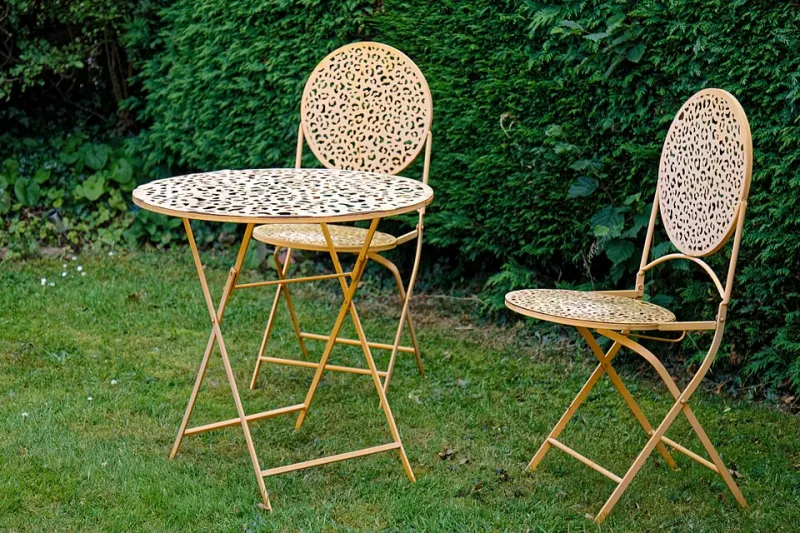
Shift the Set, Spare the Sod: A Late-Autumn Furniture Rotation for British Gardens
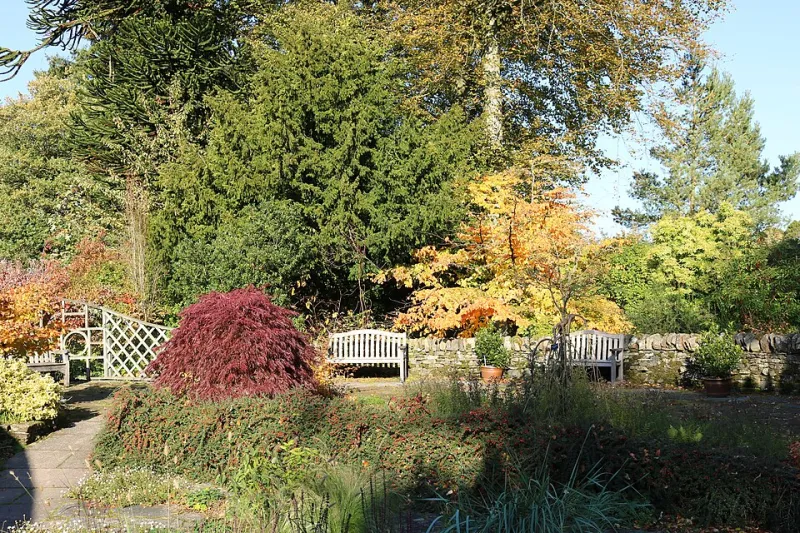
Photo: Billy McCrorie , CC BY-SA 2.0, via Wikimedia Commons
By mid-November, most British gardens have settled into their damp, leaf-strewn groove. The barbecue is sulking under a cover, the last few chairs are out, and the lawn has quietly given up on lush growth until spring. That makes it the ideal moment to take a long, honest look at where your garden furniture has been sitting all summer — and to move it before the damage becomes a spring repair job.
Why a late-autumn shuffle matters
Garden furniture is heavier than it looks, especially after a summer of use. A table and four chairs concentrate weight on a handful of small feet. Add rain-softened ground and a few months of no real grass growth, and those feet can compact soil, bruise turf and leave pale yellow rectangles that take until May to recover.
On patios, the problem shifts to edges and joints. Furniture pushed tight against a wall or the rim of the paving traps damp, hides moss and can stress mortar over winter. Rotating the set is not about restless redecorating. It is a small piece of seasonal maintenance that spreads the load and gives tired ground a breather.
The six-week rotation plan
Think of this as a gentle patrol rather than a full garden makeover. You do not need to move everything every weekend, and you certainly should not drag heavy pieces across wet grass. A little planning goes a long way.
Week one: audit the damage. On a dry-ish afternoon, lift each piece and look underneath. Note yellow patches, compressed soil, wobbly feet and any paving that has started to rock. Take a few photos on your phone so you can compare in a month.
Week two: move the light stuff. Shift chairs, side tables and planters by a metre or so, ideally onto a slightly different axis. If the lawn is soft, use planks or old boards as a temporary runway so you are not carving ruts with every step.
Week three: tackle the table. Empty it first — no heroic solo lifting with a vase still on top. With a second pair of hands, move it half a turn or onto a fresh patch of patio. Mark the old spot so you remember to keep off it.
Week four: lift and air. Put furniture feet on pads, pot feet or short lengths of timber to raise them off permanently damp ground. This is also the week to clear leaves from beneath the set, because a soggy leaf layer is a slug hotel and a moss nursery.
Week five: check the edges. Pull chairs back from patio boundaries and walls by a few centimetres. Look at the mortar joints and any loose edging. If a paving slab rocks, note it now rather than discovering it when a chair leg disappears into the gap in January.
Week six: settle for winter. Decide what stays out and what goes away. Anything you will not use until spring can be cleaned, covered and stored properly. What remains should be arranged so weight is spread, not concentrated in one sad, yellow patch.
Weight distribution tricks that actually help
A common mistake is to assume a light chair does no harm. In reality, small feet concentrate pressure. A person on a chair leg can exert more downward force than the furniture’s own weight, and wet autumn soil is not built for that kind of attention.
Use wide-footed pads under table and chair legs. Offcuts of decking board work well and cost very little. If you have heavy planters, move them slightly rather than leaving them in one spot for years. When shifting anything substantial, drag nothing and lift with your legs. A furniture trolley or a neighbour with a decent pair of gloves is not cheating; it is sensible.
Also resist the urge to cram all the furniture into one corner for winter. A tight cluster may look tidy, but it concentrates weight and traps moisture. Spread the load, even if it means leaving a couple of chairs out of the way in a shed.
When the lawn is already yellow underneath
Do not panic, and do not rush out with a box of seed in November. Grass that has been shaded and squashed will often recover on its own if you give it light, air and time. Start by clearing leaves and debris from the patch. If the soil is compacted, spike it lightly with a garden fork — but only if it is not waterlogged, or you will make a muddy mess.
Keep furniture off the area for the rest of winter if you can. A temporary path of stepping stones or a couple of boards will stop you trampling the same spot every time you visit the shed. In spring, once the ground has warmed and growth is underway, lightly rake, top-dress and overseed the bare patch. At this time of year, patience is more useful than products.
If the yellow patch is deep and the grass is truly gone, accept that it may need reseeding in April. In the meantime, a light scattering of autumn leaves over the area is not the disaster it looks. Rake them off before they smother the grass completely.
A small move with a long payoff
Rotating your patio set in late autumn is not glamorous. It will not make the cover of a glossy magazine. But it is one of those quiet jobs that saves money and effort later. Move the weight, lift the feet, clear the leaves and give the lawn a fighting chance. Come spring, you will be glad you did not leave everything exactly where it was.