Holding Firm: Furniture That Stays Put on an Exposed British Patio

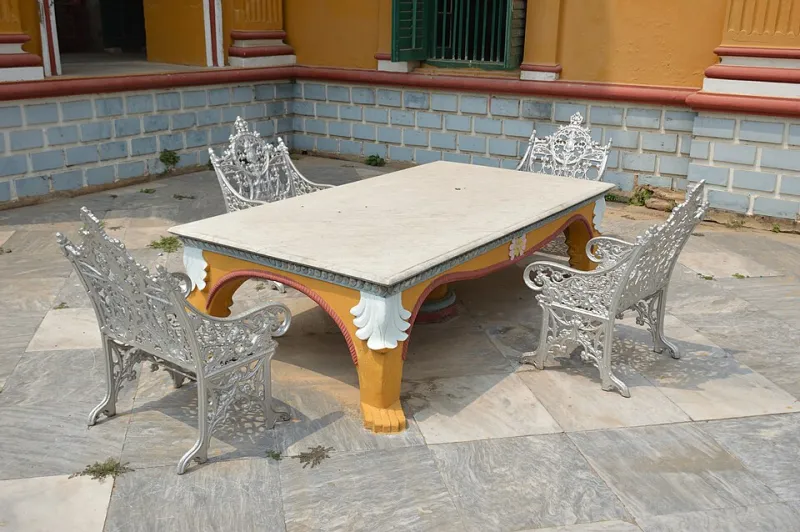
Photo: Evelyn Simak, CC BY-SA 2.0, via Wikimedia Commons
An exposed British patio is a testing ground. On a coastal plot, a hilltop garden or the open corner of a new-build estate, the wind does not simply blow around furniture; it gets underneath it, lifts lightweight chairs and sends cushions into the next postcode. Choosing furniture for these gardens is less about matching a mood board and more about weight, footprint and a sensible plan for the gales.
Why wind is harder on furniture than rain
Rain is predictable. Wind is not. It arrives in gusts that can double in force around a corner or between a house and a fence. Broad surfaces such as tabletops, chair backs and parasols act like sails. Light frames with small feet skate across paving. The result is scratched porcelain, chipped paint and, at worst, a chair through a greenhouse. Good winter maintenance starts with furniture that is stable in the first place.
Weight is your friend, within reason
A heavier frame is generally more stable, but you still need to move it for cleaning and storage. Cast aluminium and teak are substantial; some steel sets are heavier still, though steel needs flawless paint to resist rust. Hollow aluminium is light and rust-free, which makes it easy to shift but more prone to travel in strong gusts. Check the product weight before buying and compare it with the footprint. A heavy table on a narrow base can still feel tippy; a lighter chair with a wide, splayed base can feel surprisingly planted.
Look at the legs and feet
Leg design matters as much as frame material. Wide-set legs create a stable footprint. Flat feet with a broad pad grip paving better than thin pins. Look for feet that can accept an anchor bracket or a weighted base, and check whether replacement glides are sold separately. Cross braces under chairs and tables add rigidity. If you are buying online, read the dimensions carefully: a chair that is 2cm wider at the feet may be the difference between steady and skittish on a windy day.
Stackable does not have to mean flimsy
Stackable chairs are practical for small gardens, but they are often light. That is fine if you stack and store them when strong winds are forecast. If they must stay out, choose a stackable design with a weighted frame and a low profile, and use a strap or cover with clips to keep the stack together. Never leave a tall stack of chairs freestanding in an exposed corner; it is a sail with legs.
Anchoring without wrecking the patio
You do not need to drill into good paving to keep furniture put. Weighted bases, sandbags, water weights and furniture straps can all help. For tables, use a heavy central parasol base rather than relying on the table itself; a parasol should be taken down in gusty weather, not simply weighted. Covers should be clipped or tied to the furniture, not to a fence that may flex. On grass, ground anchors or screw-in stakes can secure legs, but check they are suitable for the frame. On porcelain or stone, avoid drilling and use pads and weights instead.
Lay out for shelter, not symmetry
A perfectly centred patio set looks tidy in a catalogue and exposed in real life. Push seating towards the leeward side of the house or a wall, and group pieces rather than scattering them. An L-shaped arrangement gives chairs and a table mutual shelter. Leave a gap between furniture and solid walls for air to move, and avoid placing light chairs at the open corners of the patio. If you have a parasol, site it where it can be lowered and stored easily.
Plant a windbreak, not a wind tunnel
Solid fences and walls can create turbulent eddies on the sheltered side. A permeable screen or mixed native hedge is often better: it filters wind rather than blocking it outright. Hawthorn, beech, holly and hornbeam are sensible British choices, depending on soil and exposure. A planted windbreak takes time, but even a temporary woven screen can take the worst of the gust off a seating area. Keep planting clear of the furniture footprint so you can move pieces for cleaning.
A winter routine for windy gardens
Before the first named storm of the season, check bolts, feet and straps. Store cushions indoors, lower parasols and take down lightweight accessories. Photograph the setup so you can reassemble it later. After a blow, inspect frames for cracks and paving for scratches. If a chair has moved once, it will move again; adjust the layout or add weight rather than hoping for calm weather.
What to prioritise when buying
If you are starting from scratch on an exposed patio, prioritise a substantial frame, wide feet, replacement parts and a warranty that covers normal outdoor use. Buy covers that fit and can be tied down. Add weights or anchors as part of the budget, not as an afterthought. The best furniture for a windy British garden is not the heaviest or the most expensive; it is the set you can secure, move and maintain without a fight.