Left Out in the Rain: A Realistic Winter Survival Guide for Garden Furniture
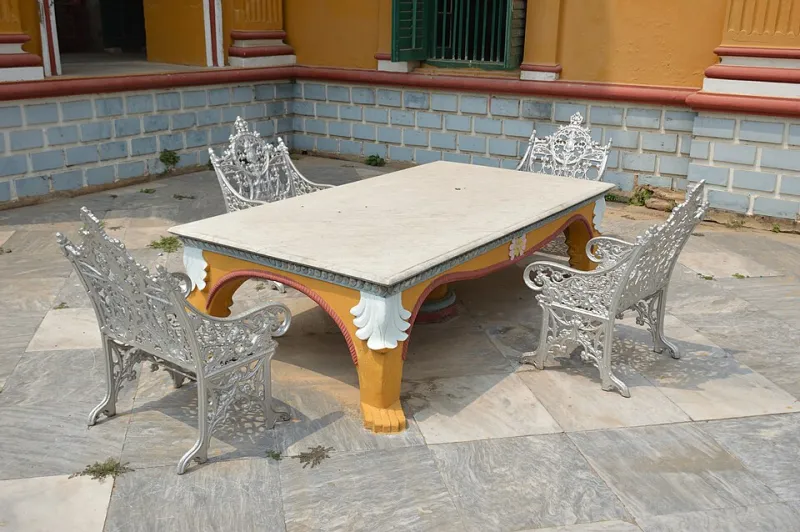
Photo: Biswarup Ganguly, CC BY 3.0, via Wikimedia Commons
British winters rarely arrive as one dramatic event. They arrive as a fortnight of drizzle, a sharp frost, a mild afternoon that tempts you to leave the cushions out, then another downpour. So the 'stay-out test' for garden furniture is not whether a chair can survive a single shower. It is whether it can cope with repeated wet-dry-freeze cycles without swelling, rusting, splitting, or growing a small ecosystem under the seat. That is a tougher question than most 'all-weather' labels admit.
The stay-out test, not the showroom test
In a showroom, every material looks capable. Outdoors, the deciding factors are simpler: where does water go, how quickly does air reach the frame, and what happens when temperatures drop? A piece that traps moisture against itself will age faster than a piece that drains and dries. Before you decide to leave something out for the winter, ask four questions. Does the frame have drainage holes or gaps? Are the fixings stainless steel or painted mild steel? Can the cushions be removed and dried easily? And will a cover actually let vapour escape, or will it turn the furniture into a damp tent?
Teak: the dependable traditionalist
Teak is the material most likely to pass the stay-out test with its dignity intact. Its natural oils help it shrug off rain, and a well-made teak bench or table can remain outside through the winter. That does not mean it is maintenance-free. Check the joints and fixings, because a lovely teak top can be let down by cheap steel bolts. New teak will weather to a silvery grey, which many people like; oiling is optional and mainly changes the colour. If you cover it, do so only when the wood is dry, and choose a breathable cover. A wet teak table under a plastic sheet is not protected - it is pickled.
Acacia: good value, with caveats
Acacia has become a popular alternative because it looks warm and costs less than teak. Good acacia furniture can stay outside, but it is less oily and more likely to check, crack, and move with the weather. A treated or sealed acacia set is a reasonable choice for a British patio if you accept that it will need a little attention. Clean it before winter, let it dry, and top up any finish according to the maker's instructions. Store the cushions, and do not wrap the frame tightly in plastic. If you are buying in 2027, look at the construction rather than the colour: a solid acacia frame with proper joinery will outlast a thin one with a pretty stain.
Rattan: read the weave
The word rattan covers two very different things. Natural wicker is a summer material; it dislikes prolonged wet and should be stored or brought under cover. Synthetic resin weave over an aluminium frame is the version that can usually stay out. Check that the frame is aluminium rather than steel, and look for drainage holes so water does not sit inside the legs. Even good synthetic rattan can become brittle after years of UV and frost, and the cushions are almost always the weak point. A synthetic set may survive the winter, but it will last longer if you store the textiles and give the frame a wash before the worst weather.
Metal: rust is the deciding factor
Powder-coated aluminium is the easy win here. It does not rust, it is light enough to move, and it copes with rain well, provided the coating is intact. Stainless steel is also robust, though it can still mark if left in standing water. Mild steel, wrought iron, and cast iron need more respect. Chipped paint is an invitation to rust, so inspect and touch up before winter. A heavy iron bench can stay outside, but it will need occasional repainting. If you have a metal set with thin legs and hidden steel screws, be suspicious: the frame may be fine while the fixings quietly fail.
Fabric and cushions: the weak link
Outdoor fabric is water-resistant, not waterproof. That distinction matters. A shower may bead on the surface, but seams and zips can let water in, and foam cushions hold it like a sponge. The most practical winter routine is to bring cushions indoors or put them in a dry, ventilated storage box. If they do get caught in the rain, stand them on edge to drain and dry thoroughly before stacking them. Never put damp cushions into a sealed box and forget them until spring. Mildew is patient.
Covers: breathable or bust
A cover is not automatically a good thing. Non-breathable plastic or PVC covers can trap condensation underneath, creating a humid microclimate that encourages mould and rust. Breathable covers with vents are a better choice, but they still need to be fitted properly: taut enough to shed water, loose enough to allow air movement. Do not cover wet furniture, and do not assume a cover replaces common sense. During a long wet spell, a cover can be useful; over an entire winter, a trapped damp cushion is worse than a free-draining bench.
A simple decision matrix for next year's purchase
| Material or construction | Can it stay out? | Winter care | Best for |
|---|---|---|---|
| Teak | Yes, generally | Check fixings, cover dry if using a cover | Long-term benches and tables |
| Acacia | Yes, with care | Clean, dry, oil or seal as advised | Value dining sets |
| Synthetic rattan on aluminium | Usually | Store cushions, check drainage | Low-maintenance lounging |
| Powder-coated aluminium | Yes | Touch up chips, store cushions | Lightweight modern sets |
| Mild steel or wrought iron | Possible | Inspect and repaint chips | Traditional benches |
| Outdoor fabric cushions | No - store them | Dry thoroughly if wet | Comfort, not winter endurance |
Storage that works in a British garden
If you are storing furniture, the aim is dry air, not a sealed bag. Raise items off a damp shed floor, leave a little space between them, and use breathable covers or old cotton sheets rather than plastic. A small shed or a ventilated garden box is fine for cushions; a sealed plastic crate in a cold corner is not. Before putting anything away, clean off dirt and let it dry completely. This is also the moment to oil hinges, tighten bolts, and note anything that needs replacing before next season.
The verdict
Very little garden furniture is truly maintenance-free, but plenty of it can safely stay outside. Prioritise frames that drain and dry, fixings that will not rust, and textiles you are willing to store. Treat 'all-weather' as a starting point for a conversation, not a guarantee. If you are planning a purchase for 2027, buy for the British winter you actually get - wet, windy, and changeable - rather than the sunny afternoon in the catalogue.