The Ground Floor: A November Audit of Garden Furniture Feet
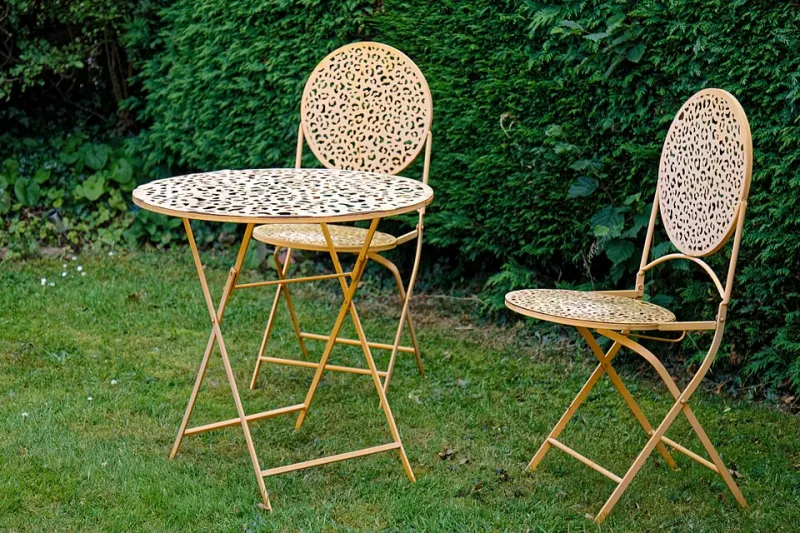
Photo: Acabashi, CC BY-SA 4.0, via Wikimedia Commons
Most of us give our garden furniture a once-over in autumn: wipe the table, brush the seats, maybe drag the whole set under cover. The part that quietly decides whether it survives the winter is the bit you never look at — the feet. Those small caps, glides and metal ends take the entire weight of the frame, the weather and the occasional clumsy shuffle across the patio. By November, they have had a full season to fail. The good news is that this is also the easiest month to catch them, because everything is still movable, the damage is still visible, and you are not yet wrestling with frozen ground or a set that has welded itself to the decking.
Why November is the right month for a ground-level check
Go out on a dry-ish afternoon before the first proper frost. Lift each leg, tilt the chair, and look at the point where furniture meets ground. You are not looking for cosmetic scuffs. You are looking for the early warning signs that turn a cheap repair into a new set: cracked plastic, rust bleeding from a metal foot, a leg sitting in a puddle, or a ring of damp timber where water has been trapped for weeks. In November, the furniture is still light enough to move and the ground is still soft enough to show you where it has been sinking. Leave it until January and you will be chipping ice off the problem instead of solving it.
The three things living under your legs
Almost every garden chair, table and bench ends in one of three ways. First, a plastic cap or glide: cheap, light and designed to protect both frame and surface. Second, a metal ferrule or foot: sturdier, often found on aluminium or steel frames, and more prone to rust if water gets inside. Third, bare timber or metal touching the ground directly: the least forgiving option and the one most likely to stain, scratch or rot. Once you know which type you have, the rest of the audit makes sense. A plastic cap that has split is a five-minute fix. A metal ferrule that has rusted through is a warning that water has been sitting inside the leg. Bare timber on wet paving is an invitation to a permanent mark.
Plastic caps, metal ferrules and the rust question
Plastic caps are the unsung heroes of garden furniture. They stop metal legs scratching Indian sandstone, stop timber legs soaking up patio water and stop the whole set sounding like a bag of spanners when you move it. But they also pop off, crack in cold weather and wear thin on rough paving. If a cap is loose, do not just push it back on and hope. Clean the leg, dry it and fit a replacement. A dab of silicone or a snug new cap is far cheaper than a new leg.
Metal ferrules need a closer look. Rust on the outside is annoying; rust on the inside is the real problem. If the foot looks swollen, flaky or has a tell-tale orange stain on the paving beneath it, water has probably been getting in. Dry the leg thoroughly, treat the metal if you can, and replace the ferrule if it is past saving. Do not be tempted to wrap it in tape and forget it. Trapped moisture is exactly what a British winter does best.
Wet grass, decking and the sinking feeling
Ground contact is not just about scratches. On wet turf, a narrow leg will sink, especially after a week of rain. That tips the table, puts strain on the joints and leaves you with a set that never quite sits level again. On decking, the risk is different: standing water, black marks and a leg that stays damp for days. The fix is simple. Move what you can onto a firmer surface for winter, and use plastic risers, pot feet or wide decking pads under the legs that stay put. The aim is to spread the load and keep the end of the leg out of standing water. A cheap riser cup is one of the best-value bits of garden furniture kit you can buy.
Paving stains and the scratch you will meet in March
On paving, the damage is often invisible until spring. A rusty ferrule leaves an orange bloom. A worn plastic glide exposes a metal edge that scratches the slab every time the chair moves. A timber leg sitting in a puddle leaves a dark ring that no amount of scrubbing quite shifts. November is your chance to break that cycle. Lift the legs, clean the contact points, fit new glides and put something between the furniture and the stone. If you have a heavy bench or table that never moves, check underneath it now rather than discovering the mark in March.
The cheap spares worth keeping in the shed
You do not need a workshop to sort this. A mixed pack of replacement ferrules, plastic end caps and self-adhesive felt pads costs very little and saves a lot of swearing. Keep a few sizes in the shed, along with a small screwdriver, a cloth and a tube of silicone. When a cap disappears into the border, you want a spare within reach, not a trip to the garden centre in the rain. If the frame itself is sound, new feet can buy it another five years. If the leg is split, the joint is loose or the metal has gone soft, replacement is the honest answer.
A ten-minute walkaround
Start with the chairs: tilt each one, check every foot, and replace anything cracked or missing. Move to the table: look for rust stains, rocking and trapped water. Check the bench and any loungers, especially the legs that sit on grass or decking. Then look at the ground itself. Are there damp patches, scratch marks or little piles of rust-coloured grit? Those are the clues. Finally, raise anything that sits directly on wet ground, clear the drainage holes if you have them, and make sure water can run away rather than settle under a leg.
When to stop fettling and start replacing
There is a point where new feet are just a stay of execution. If a metal leg is rusted through, if a timber leg is soft when you press it, or if the frame rocks no matter what you put under it, spend your money elsewhere. But for most sets, the feet are the weakest link and the easiest fix. Give them ten minutes this November and your garden furniture will start spring on the front foot — literally.