The Sensible £500 Patio Plan: Spend on Frames First, Storage Always
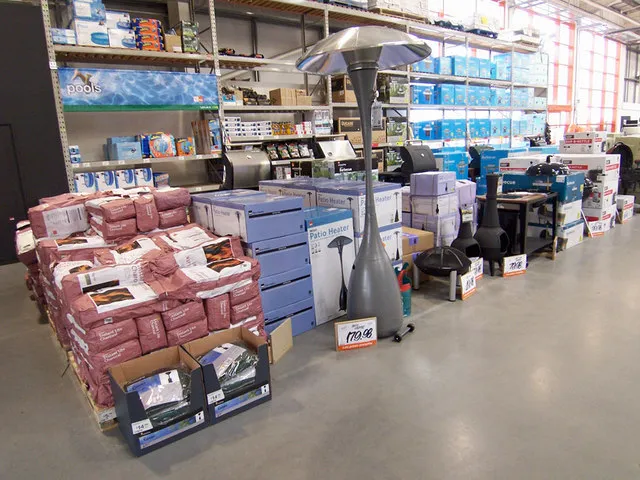
Photo: David Wright, CC BY-SA 2.0, via Wikimedia Commons
By November, the garden furniture aisles have mostly given way to Christmas decorations, which makes it a sensible moment to plan rather than impulse-buy. If you have £500 set aside for a patio refresh, the temptation is to chase the biggest set the money will stretch to. That is usually the wrong move. A good £500 plan buys fewer pieces, better joints and somewhere proper to store the cushions. Here is the order I would spend it in.
Spend first on the frame, not the fantasy
Frames are the part you cannot upgrade later. You can add a nicer cushion, a better cover or a second-hand bench, but you cannot magically thicken a hollow leg or re-weld a joint that was never properly finished. On a £500 budget, aim to put roughly £250–£300 into the table-and-chairs frame. That may mean a two-seater bistro set rather than a six-seat dining set, and that is fine. A small British patio rarely needs more than two comfortable chairs and a table that earns its space.
Material choices matter, but the label alone is not enough.
- Powder-coated aluminium is light, rust-resistant and well suited to small gardens. Check the wall thickness and the welds; thin aluminium can still feel flimsy.
- Steel is heavy and stable, which suits benches and larger tables, but it will rust if the coating chips. Look for a proper powder coat and touch up any damage.
- Hardwood such as teak, roble or eucalyptus is durable and repairable. It will weather to a silver-grey unless oiled, and it costs more, so buy less of it.
- Acacia can be good value if the joints are tight and the timber is properly dried. Expect to oil it annually.
- Softwood is cheap, but it needs regular treatment and may not justify a large outlay.
- Resin weave works best over an aluminium frame. Resin over a cheap steel frame is a common false economy.
Priority two: fabrics and cushions
Cushions are where a budget set often reveals itself. A £500 patio set with thin, shiny polyester cushions will look tired by August. Look for solution-dyed acrylic covers, which hold colour better in UV light, and quick-dry foam rather than ordinary upholstery foam. Water-resistant is not the same as waterproof; no outdoor cushion should be left out in a British downpour if you want it to last.
Spend £90–£110 on two decent seat pads or a small bench cushion rather than £30 on four that flatten in a fortnight. Check the seams, the zip quality and whether the covers can be removed for washing. If the cushion cannot be stored easily, factor in the cost of storage before you buy it.
Priority three: storage and covers
A breathable cover and a lidded storage box are not glamorous, but they protect the money you have already spent. Avoid cheap plastic tarpaulins: they trap condensation and can do more harm than good. A fitted, breathable cover costs £50–£60 and is far cheaper than replacing cushions next spring.
If you have a small garden, choose a storage box that doubles as a bench or a side table. It keeps cushions dry, reduces clutter and gives the patio another useful surface. This is the part of the budget people skip, and it is usually the part that determines whether the furniture still looks decent in three years.
Where cheap becomes expensive
Retailer categories tell you a lot, though not everything. Supermarket seasonal sets are tempting and can be fine for occasional use, but they often use thin steel or hollow aluminium and carry short warranties. Garden centre own-brand ranges sit in the middle; inspect them closely. Specialist online retailers usually offer better replacement parts and clearer material specifications. High street homeware ranges can be stylish, but check the frame before you fall for the photograph. Second-hand solid timber is often the best value of all if the joints are sound.
Be wary of any set described simply as 'weatherproof'. In the UK, that word is doing a lot of unpaid work. Look for specifics: powder-coated aluminium, stainless steel fixings, solution-dyed acrylic, FSC-certified timber.
A five-minute build-quality checklist
Before you pay, do these checks in person if you can:
- Lift one chair. It should feel balanced, not hollow or oddly light.
- Rock the table gently. A wobble now will be worse on uneven paving.
- Run a hand over welds and joints. Sharp edges and rough patches are warning signs.
- Check the feet. Adjustable feet are useful on sloped or uneven patios.
- Look at the bolts and fixings. Stainless steel is preferable outdoors.
- Open and close any folding mechanism. It should feel firm, not gritty.
- Press the cushion. It should spring back, not collapse to the frame.
- Read the warranty and check whether replacement parts are sold.
- Ask how the furniture should be stored over winter.
- Confirm the weight limit if you are buying a bench or lounger.
A worked £500 setup for a small British garden
For a compact patio, I would build the budget like this:
- £270 on a powder-coated aluminium two-seat bistro set with a round or square table.
- £100 on two seat pads with solution-dyed acrylic covers and quick-dry foam.
- £55 on a breathable fitted cover.
- £50 on a lidded storage box that can double as a side table.
- £25 on two small outdoor cushions for extra comfort and colour.
That totals £500. It is not a six-seat dining suite, and it does not include a parasol. What it does include is a frame worth keeping, cushions worth storing and a cover that protects both. If you already own a decent table, spend the money on chairs and storage instead. The priority order stays the same: bones first, fabrics second, protection always.