The Overcast Advantage: Garden Furniture Colours That Glow Without Sunshine
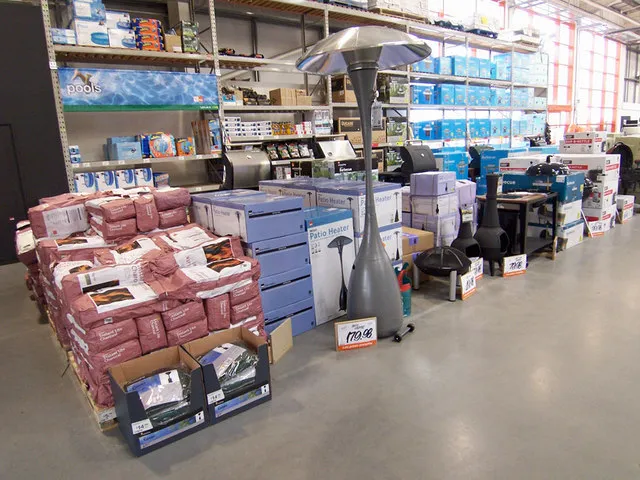
There is a particular kind of disappointment that comes from buying a garden furniture set in a brightly lit showroom, getting it home and finding that it looks oddly washed out against a grey British sky. The furniture has not changed. The light has. Most of our patios spend far more time under cloud than under direct sun, so choosing colour as though you live in the Mediterranean is a recipe for a flat, gloomy corner.
The good news is that overcast light is not the enemy. It is simply a different brief. If you choose for British light rather than against it, a small patio can look calm, layered and surprisingly warm even in November.
Overcast light is not neutral
Cloud cover acts like a giant softbox. It reduces contrast, cools the colour temperature and makes everything look slightly blue-grey. That is why brilliant white plastic furniture can read as dingy, cool grey can disappear into paving, and black can become a heavy hole in the corner of a small garden.
It also explains why some colours that look cheerful on a screen look cheap outdoors. Acid yellow, bright turquoise and shiny chrome need strong sun to make sense. Under a Yorkshire sky in October, they can look like props from a different production.
Warm neutrals are the safe pair of hands
If you want a patio that works all year, start with warm neutrals rather than cool ones. Oat, sand, mushroom, parchment and clay all hold their colour under cloud. They reflect enough light to keep a small space feeling open, but they do not turn cold and clinical the way blue-toned whites often do.
Timber is the easiest route into this palette. Teak, acacia and eucalyptus all bring a natural warmth that softens grey paving and grey skies. Even a silvered hardwood has more life than a flat grey composite. If you prefer painted furniture, choose a warm off-white or a soft stone rather than a sharp brilliant white.
Muted greens earn their keep
Green is the most reliable colour in a British garden because it is already there. Sage, olive, eucalyptus and deep forest green all sit comfortably against foliage, and they look intentionally muted rather than simply dull. A sage-green bistro set on a grey patio is not a compromise; it is a palette.
The trick is to avoid acid or lime greens, which can look synthetic under cloud. Choose greens with a grey or brown undertone. Deep green is especially useful as an anchor in a small space: it gives the eye something solid to rest on without shouting.
Metals: choose a finish, not a default
Powder-coated aluminium is the practical choice for most small gardens, but the finish matters as much as the material. Shiny chrome and mirror-polished metal are hard work in British light because they reflect the grey sky back at you. A matte or satin finish is more forgiving.
Charcoal is a useful contrast colour, but use it deliberately. A charcoal frame with oat cushions and a terracotta pot looks grounded; a full charcoal set against a dark fence can look heavy. Olive, chalk and warm grey are gentler alternatives. If you want a traditional look, black metal can work, but it needs lighter surroundings and good planting to stop it feeling severe.
Fabric is where you lift the scheme
Cushions are the cheapest way to change the mood of a patio, so use them to introduce colour rather than relying on the frame to do all the work. Solution-dyed acrylic is worth the extra because it holds colour better and resists fading.
Ochre, rust, terracotta and deep teal are excellent under British skies. They add warmth without demanding sunshine. Navy is a smart alternative to black and looks rich against timber. If you like pattern, keep it bold and simple: a wide stripe or a large-scale leaf print reads better from a kitchen window than a busy small motif.
Contrast and texture beat brightness
A common mistake is trying to solve grey light with more brightness. What a small patio usually needs is contrast. Pair a light cushion with a dark frame, a warm timber table with a cool grey pot, or a soft sage chair with a terracotta planter. Texture does the same job: rattan, slatted timber, brushed metal and woven fabric all catch soft light in a way that flat surfaces do not.
Look at the fixed elements too. If your paving is pale grey, a pale grey table will vanish. If your fence is dark brown, a dark brown bench will merge into it. Choose furniture that sits slightly apart from the background, even if that simply means a warmer tone or a lighter cushion.
Three palettes that work in British light
- Warm timber, sage and chalk: an acacia or eucalyptus table, sage-green chairs, chalk cushions and a few terracotta pots. Calm, natural and forgiving of rain.
- Charcoal metal, oat and rust: a charcoal aluminium frame, oat-coloured seat pads and rust-toned cushions. The dark frame gives structure; the warm textiles stop it feeling cold.
- Olive metal, mushroom and deep teal: an olive bistro set with mushroom cushions and a deep teal planter or throw. Muted but not muddy, and particularly good on a north-facing patio.
Small patio, big effect
On a compact patio, keep the frame colour quiet and let two or three accents do the work. A small Victorian terrace garden with grey paving might take an olive-green bistro set, oat cushions, a rust-coloured pot and a deep green storage box. That is enough. You do not need a rainbow of accessories; you need a clear base, one warm accent and one dark anchor.
Plants help more than most furniture edits. A climbing jasmine, a clipped olive in a pot or a few ferns will soften the edges and add the green that British light handles best. Group pots rather than scattering them, and repeat one colour at least twice so the eye reads it as intentional.
Do not wait for sunshine
The point of choosing colour for British light is not to pretend the sky is always blue. It is to make the patio look good on the ordinary grey Tuesday afternoons when you actually use it. Warm neutrals, muted greens and a confident cushion colour will do more for a small garden than any amount of white plastic waiting for a heatwave.