The Rattle Map: A Quick Hardware Sweep for Patio Furniture Before the Cold Bites

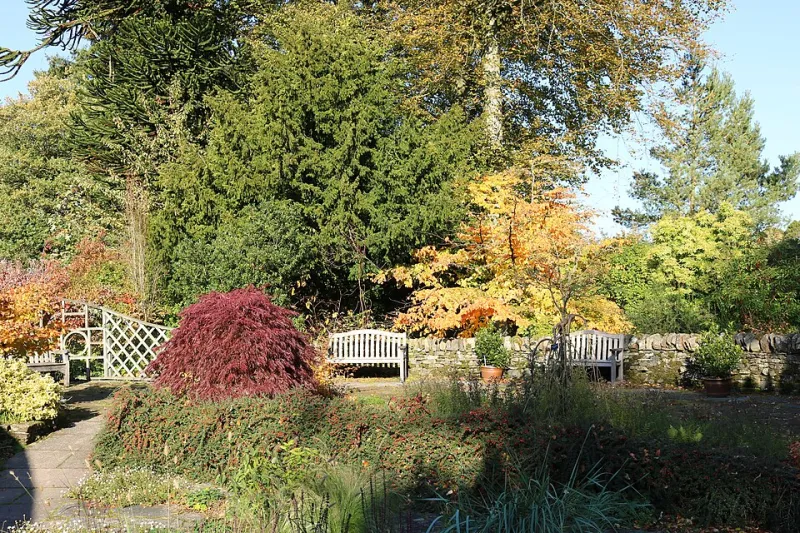
Photo: Dominicus Johannes Bergsma, CC BY-SA 4.0, via Wikimedia Commons
By mid-November, the British patio has usually had its last optimistic lunch. The covers are on, the cushions are indoors, and the furniture is quietly doing what it does every winter: working loose. Cold nights and wet days are a rough combination for fixings. Water creeps into a joint, a frost expands it, and a bolt that felt fine in September starts to show a millimetre of play. You do not need a workshop to catch that. You need ten minutes, a torch, and a route around the set.
Start with your ears, not your eyes
Before you reach for a spanner, walk slowly around each piece and give it a gentle rock. Not a shove — just enough to hear what the frame has to say. A faint clink from a chair leg, a creak from a table apron, a tick from a parasol base: those are clues. Make a mental map of the rattles, then investigate in the same order. This sounds fussy, but it stops you crouching under the table while the real problem is a loose armrest two feet away.
Do this on a dry-ish afternoon if you can. Cold metal is miserable to handle, and wet joints hide rust. If the patio is already soaked, dry the fixings with a cloth as you go and save any lubrication for a drier moment.
The kit that earns its keep
You do not need a full tool chest. A small adjustable spanner, a set of Allen keys, a cross-head screwdriver, a stiff brush, a rag, and a torch will cover most garden furniture. Add a can of silicone spray or dry PTFE lubricant for moving parts, a few replacement bolts and washers in common sizes, and a touch-up paint pen for chipped metal. A little blue threadlocker is useful for bolts that keep backing out, but it is not essential for every joint.
Keep the kit in a lidded box near the back door. The check is far more likely to happen if you are not hunting for a missing Allen key in the shed.
The four touchpoints
Work around each piece in the same order: fixings, joints, feet and moving parts.
Fixings. Check every visible bolt, screw and bracket. Tighten until snug, not until your forearm aches. Bolts that pass through wood should have a washer under the head; without one, the metal can sink into the timber and loosen again. If a bolt spins freely, the thread or the surrounding material may be worn — that is a replacement job, not a tightening job.
Joints. Look for gaps, hairline cracks and shiny rub marks where two parts have been moving against each other. On metal frames, pay close attention to welds. A weld that has started to rust is not automatically doomed, but a weld with a visible crack is. On wooden furniture, check the mortise-and-tenon joints at the corners of tables and the leg-to-seat joints on chairs. A little seasonal movement is normal; a joint that opens when you rock the piece is not.
Feet and glides. Plastic glides wear flat, metal feet rust from the bottom up, and wooden legs wick up water if the end grain is exposed. Replace missing glides before they become a metal-on-patio problem. If a foot is rusted but still solid, brush it back, treat it and paint it. If it is flaking away, fit a new foot or a protective cap.
Moving parts. Recliners, rocking chairs, castors, folding mechanisms and parasol cranks all have pivots that benefit from a quick clean and a light spray of silicone or dry PTFE. Do not drown them. A thin film is enough. Keep oil away from wooden joints and avoid greasing threads that you want to stay put.
Hidden wear in wicker and metal
Resin wicker can look immaculate on top while the strands underneath are cracking. Run your hand along the underside of seats and arms, and look for pale, brittle strands or places where the weave has separated from the frame. Small breaks can be glued or bound; a large structural failure usually means the piece is on borrowed time.
Metal frames often rust from the inside out. Tap along tubular legs with a screwdriver handle — a dull thud is fine, a crunchy or hollow sound near a weld deserves a closer look. Check drain holes and end caps. If water can get in but not out, frost damage is only a matter of time.
Tighten, treat, replace
Rust on a bolt head is a warning, not a death sentence. Wire-brush it, apply a rust converter if needed, and replace the bolt if the threads are pitted. Stainless steel or galvanised replacements are worth the small extra cost on exposed furniture. When you refit a bolt, add a washer and use a little threadlocker if it has a history of working loose.
Do not overtighten wooden furniture. Timber shrinks and swells across the seasons, and a bolt that is gorilla-tight in November can crush the surrounding wood by February. Snug is the goal.
When a wobbly chair is no longer worth saving
A single loose bolt is a five-minute fix. A chair that still rocks after you have tightened every fixing is telling you something else. If the leg-to-seat joint is cracked, the frame is bent, a weld has failed, or the wicker has lost its structure, stop. Garden furniture takes weight and weather; a chair that collapses is not a charming project, it is a hazard.
Use the wobble test as your guide. Hold the chair by the back and rock it gently. If the movement is in the fixings, tighten. If the movement is in the frame itself, retire the piece or get it professionally repaired. The same goes for a table that will not sit flat after you have adjusted the feet — a twisted frame rarely untwists itself.
A ten-minute habit, not a winter ordeal
Once you have done the sweep, make a note of anything you replaced or adjusted. A small label on the underside or a note in your phone is enough. Next autumn, you will know which bolts have form. The point is not to baby your furniture; it is to catch the cheap, small failures before they become expensive, structural ones. British winters are hard on outdoor kit, but most of the damage starts with a fixing that was allowed to stay loose. Ten minutes now is a lot less bother than a collapsed chair in January.