Green Film, Firm Footing: Cleaning Moss and Algae Off Garden Furniture Without Bruising the Finish
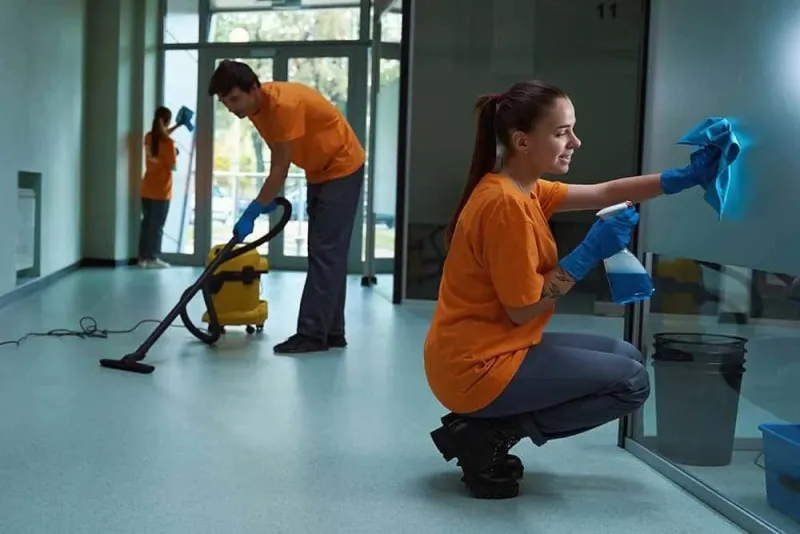
Photo: cleaning garden furniture soft brush soapy water patio moss algae, via cleaningrowler.com
There is a particular moment in a British November when you go to shift a chair and the chair shifts you. One foot slides, the table lurches, and you find a slick green film where you were expecting teak. It is not dramatic, this stuff — no dramatic mould blooms or dripping rot — just a quiet, damp sheen that turns a patio into something closer to a skating rink than a place to sit.
Algae and moss are the standard autumn residents of any garden that faces the wrong way, sits under a tree, or simply lives in a country that does damp better than most. The good news is that none of it needs to be a catastrophe, and none of it needs the nuclear option. The better news is that a couple of hours now, before the cold properly sets in, saves you a far bigger job in March.
First, Work Out What You Are Actually Looking At
It pays to know your enemy, because the three things growing on your furniture want slightly different treatment.
Algae is the flat one. It looks like a green or brownish-black smear, feels slippery when wet and almost disappears when dry. You will find it on table tops, seat slats and anything horizontal that collects a bit of water and a bit of shade.
Moss is the fuzzy one. Raised, soft, slightly spongy, and fond of joints, feet, the gap between arm and backrest, and anywhere leaf litter has quietly rotted down over October. Moss holds water against the surface, which is why it does the most long-term damage of the three.
Lichen is the crusty one — grey-green, silvery, sometimes orange, often in neat little circles. It clings hard, looks almost decorative, and is usually harmless. It does, however, trap moisture underneath, so it is worth thinning out on horizontal surfaces.
One word of warning before you start: if the green is on a painted or powder-coated surface and lifting in flakes, stop. That is the finish failing, not algae, and scrubbing will only make it worse.
The Pressure Washer Temptation
Every November someone aims a pressure washer at a teak table and films the satisfying stripe of clean wood appearing. Resist. A pressure washer strips the softened surface fibres off timber, frays wicker weave, forces water past seals and into joints, and lifts powder coating at the edges where it is thinnest. It also drives moisture deep into anything porous, which is precisely the opposite of what you want going into winter.
A hosepipe on a gentle spray, a bucket, a soft brush and twenty minutes will do a better job with none of the collateral damage.
Timber: Teak, Acacia and Robinia
Start with warm water and a squirt of washing-up liquid. A soft-bristled brush, worked along the grain rather than across it, lifts most of the film. For stubborn algae, a spray bottle of white vinegar diluted half and half with water, left for five or ten minutes, softens it nicely. Rinse thoroughly afterwards — vinegar left to dry in the sun can leave a patchy mark, and there is not much sun to worry about in November anyway.
Skip the bleach. It bleaches the timber as well as the algae and leaves you with pale streaks that no amount of oil will hide. Skip the wire brush too, unless you enjoy a fuzzy, raised-grain finish.
Once clean, dry the piece properly: tip the table, prop chairs, and let air get underneath. If the timber was oiled in spring, a light re-oil now is fine on a dry day. If it was left to silver naturally, leave it be — the grey is the finish.
Metal: Aluminium, Steel and Cast Iron
Powder-coated aluminium is the easy one. Warm soapy water, a non-abrasive sponge, and a rinse. A weak vinegar solution is fine on aluminium but do not let it pool, and rinse it off within minutes.
Never use wire wool on a coated frame. It leaves tiny scratches that hold water and start the exact corrosion cycle you are trying to avoid. While you are out there, run a finger along the frame and look for chips and scuffs — a dab of matching touch-up paint now stops a rust bloom appearing by February.
Cast iron and steel need the same treatment plus a proper dry. Work a small brush into the decorative crevices, dry thoroughly, then apply whatever the manufacturer recommends — often a thin coat of wax or oil. Water sitting in an ornate joint over winter is how cast iron goes from characterful to crumbling.
Wicker and Resin Weave
Wicker is where people overdo it. The weave is a network of small channels that hold water beautifully, so soak it and you will be waiting a week for it to dry. Use a soft brush and a watering can or a hose on the lowest setting, working section by section. Blot with a towel, then leave it tilted in a breezy spot — a dry, airy shed or a garage with the door open beats a sealed cover every time.
Avoid spraying vinegar directly into weave. It gets in, it stays in, and it smells like a chip shop for a fortnight.
The Bits Everyone Forgets
The green film is rarely only where you can see it. Check the undersides of tables, the inside faces of legs, the glides and plastic feet, the bolts under seat frames, and the rim of a parasol base. Feet are the worst offenders — they sit in damp grass or a puddle, and moss loves them. Pop them off where you can, scrub and dry before refitting.
Make It Less Appealing Next Time
Cleaning is half the job; the other half is making the conditions slightly less cosy.
- Let air move. Pull furniture a little away from walls, hedges and the north-facing fence. Cramped corners stay damp for days after everything else has dried.
- Lift it off the ground. Feet sitting directly on paving or grass wick moisture upwards. Rubber pads or small blocks help.
- Cover it properly, or not at all. A plastic tarpaulin traps condensation underneath and creates a perfect greenhouse. If you cover, use a breathable cover, and leave the bottom open.
- Sweep the leaves. Leaf litter is a damp blanket and a moss nursery. Two minutes with a broom after a windy night pays for itself.
- Wipe little and often. A fortnightly pass with a cloth takes seconds and stops the film ever getting thick enough to be slippery.
A Quick Word on Safety
Gloves on, and a test patch on anything you are unsure about. Do not mix vinegar with bleach-based cleaners — the result is not a stronger cleaner, it is a chlorine gas problem in a confined space. Keep pets and small children off treated surfaces until they are dry, and remember that wet paving around the furniture is often more slippery than the furniture itself.
The green will come back next autumn. It always does, and that is fine — this is a maintenance rhythm, not a one-off battle. Get the film off now, dry everything properly, and your furniture will spend the winter quietly doing nothing instead of quietly rotting.